Ordering Dinner in Busan Without Guessing: A Runner's Guide to Korean Food Before and After the Long Run
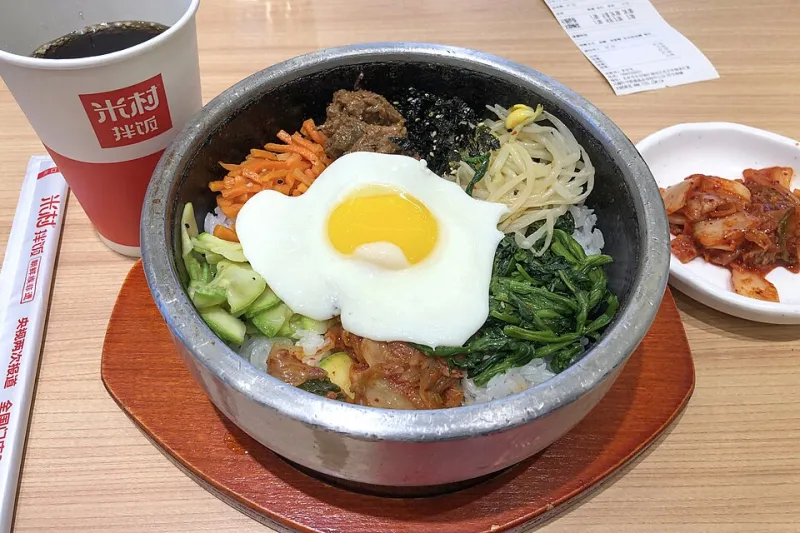
Photo: N509FZ, CC BY-SA 4.0, via Wikimedia Commons
You can nail every workout for sixteen weeks and still blow a race at 9 p.m. the night before, in a restaurant where the menu is in Hangul and the server is patiently waiting. Busan is a great eating city, and that's precisely the problem: it's great in a way that involves a lot of chili paste, a lot of garlic, and a dinner culture that runs later than most American runners are used to.
This guide isn't about finding the most Instagrammable meal. It's about eating well, eating at the right time, and not discovering at mile three that your dinner had opinions.
Two Rules That Cover Most of It
First: timing beats perfection. A perfectly balanced Korean meal at 9:30 p.m. is worse for your 7 a.m. long run than a slightly boring meal at 6:30. Korean restaurants in Busan often fill up between 7 and 9 p.m., so eat on the early side of the local curve or plan a lighter second meal.
Second: don't debut a dish the night before a race. If you've never had a bubbling pot of something red, race eve is not the moment to broaden your horizons. Save the adventure for after the finish line — you'll enjoy it more anyway.
Dishes That Play Nice
Kimbap is the universal safe bet: rice, vegetables, egg, sometimes a little beef or tuna, rolled in seaweed and sliced. Mild, portable, sold at convenience stores from early morning, and about as close to a pre-run staple as Korea gets. If you need something at 5:30 a.m. before a long run, this is your answer.
Bibimbap — rice with vegetables, egg, and often beef, served with gochujang on the side or already mixed in. Ask for the sauce separate and you control the heat entirely. Balanced carbs, decent protein, easy on the stomach.
Kalguksu, knife-cut noodles in a mild broth, is what I'd order the night before a race if I wanted something warm, filling, and completely unthreatening. Same for mandu, Korean dumplings. Order both and you're set.
Dwaeji gukbap is Busan's signature dish — pork and rice in a milky, savory broth, usually served with salted shrimp and chili paste on the side so you can dial in the seasoning yourself. It's salty, rich, and genuinely one of the great post-race meals in Asia. Just know it's a lot of sodium; it makes more sense twelve hours after the finish than twelve hours before the start.
Grilled fish set meals (look for godeungeo, mackerel) come with rice, soup, and a spread of vegetable side dishes. Mild, protein-heavy, easy to portion-control.
Dishes to Treat With Caution
Tteokbokki, the chewy rice cakes in red sauce, is delicious and probably not what you want the night before 20 miles. Same story for budae jjigae, nakji bokkeum, and anything described as maewoon (spicy).
Kimchi shows up at every meal as a side dish, and it's easy to eat more of it than you intend. It's high in fiber and sodium, both of which are fine in moderation and less fine at 4 a.m.
And Korean barbecue — samgyeopsal, thick slices of pork belly grilled at the table — is a magnificent meal and a heavy one. Post-race celebration, absolutely. Pre-race, maybe not.
How to Ask for Less Heat
This is the part most visitors are shy about, and they shouldn't be. Busan restaurant staff handle this request constantly. Three phrases will get you through almost anything:
- Deol maepge haejuseyo — please make it less spicy.
- An maepge haejuseyo — please make it not spicy.
- Soseu ttaro juseyo — sauce on the side, please.
Write them down or screenshot them. Show the phone. Nobody will be offended; if anything, they'll appreciate the effort and often bring you an extra side dish out of solidarity. A couple of exceptions exist — some stews are pre-seasoned in big batches — and a server will simply tell you so.
Portions and the Side-Dish Trap
American portions have trained us to expect a plate the size of a hubcap. Korean rice bowls are smaller, and that's usually a good thing for a runner trying to eat 90 minutes before a run. The side dishes are free and refillable, so if you leave hungry it's because you didn't ask for more rice.
Eating alone is normal here, especially at gukbap and noodle shops. Don't feel obligated to find a group.
Hydration, Conveniently Solved
Busan has convenience stores on nearly every block — CU, GS25, 7-Eleven — and they sell bottled water, Pocari Sweat, Gatorade, and a wall of cold barley tea. Tap water is fine to drink. Public fountains exist along the coastal paths, but the stores are more reliable.
On race morning, remember that Korean coffee culture is intense and espresso-heavy. A small Americano is a great pre-race ritual; a 20-ounce iced latte is a gamble.
What to Do After the Finish
Go get the gukbap. Then find milmyeon, Busan's cold wheat noodles — a local specialty that tastes like exactly what you want when it's warm out and you've just run 26.2 miles. Then take a nap and come back for the barbecue. You've earned the tourist menu; just don't eat it on race eve.